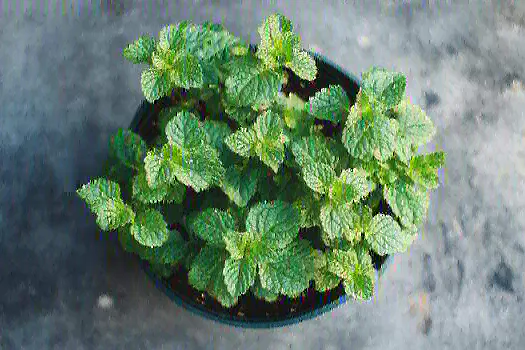
Imagine stepping out on a quiet evening and noticing the streetlamps glowing softly along the path, not because they’re plugged into the grid, but because the grass growing beneath them is breathing. It sounds like something from a fairy tale, but this is exactly what happened on a chilly November evening in the Netherlands back in 2014, and it’s a technology you can actually tinker with on your windowsill.
The Quiet Science of Living Batteries
To understand how a plant becomes a power station, we need to look below the surface. During photosynthesis, plants convert sunlight, water, and carbon dioxide into sugars to fuel their growth. However, they’re generous hosts: they produce more sugars than they need and leak a significant portion of those carbohydrates and organic acids out through their roots into the surrounding soil.
Down in that soil lives a bustling community of bacteria. These microorganisms feed on the plant’s discarded sugars. As they break down this organic matter, they release electrons and protons as part of their natural metabolic process.
Normally, these electrons just dissipate into the earth. But if you place an electrode (typically carbon or graphite) in the soil near the roots, you can capture those escaping electrons. Run a wire from that electrode to another electrode exposed to oxygen, and you’ve created a circuit, an electric current flowing from the soil, powered by the plant’s sunlight harvesting.
This setup is called a plant microbial fuel cell, and the beauty of it is that the plant keeps growing happily while the bacteria do the electrical heavy lifting. No plant is harmed; it’s a true symbiosis.
When the Dutch Lit Up the Night with Grass
The most celebrated example of this technology comes from Plant-e, a company founded in 2009 by David Strik and Marjolein Helder as a spin-off from Wageningen University. In November 2014, they pulled off a world-first: they powered 300 LED streetlights using nothing but living plants.
The project, dubbed “Starry Sky,” launched simultaneously at two sites. At HEMbrug (an old ammunition site near Amsterdam) and along the KennisAs in Ede-Wageningen, officials flipped switches that connected streetlight installations to modular systems of plants growing in two-square-foot plastic containers. As the plants photosynthesized during the day, they charged the soil; as darkness fell, the bacteria continued breaking down those root sugars, releasing a steady trickle of electrons that kept the LEDs glowing.
Since then, the idea has blossomed into even more poetic applications. Designer Ermi van Oers collaborated with Plant-e to create the “Living Light,” a lamp that glows when you touch the plant’s leaves, using the same microbial energy process. Rotterdam has even experimented with the “Park of Tomorrow,” where paths are illuminated by the very vegetation growing alongside them, creating a grid-free, living light source.
Your Own Mini Power Plant: A Windowsill Setup
You don’t need a municipal budget to play with this science. Creating a simple plant battery at home requires only basic materials, though you should manage your expectations: we’re talking about enough power to light a small LED, not charge your laptop.
What you’ll need:
- A small potted plant (grasses, bamboo, or peace lilies work well because they produce ample root exudates)
- Two pieces of conductive material: graphite felt or carbon cloth is ideal, but you can substitute with thick graphite rods (or even clean copper wire, though carbon works better)
- Insulated copper wire
- A small LED (low voltage, 1.8V–3V) or a small digital clock
- A waterproof container if you want to get fancy, but a regular terra-cotta pot works fine
The setup:
- The Anode (the harvester): Bury one graphite electrode about 10–15 cm (4–6 inches) deep in the soil, right near the plant’s root zone. This should be in relatively dense, moist soil where oxygen is scarce (anaerobic). This is where the bacteria will live and release electrons.
- The Cathode (the breather): Place the second electrode near the surface of the soil, or even partially sticking out into the air. This electrode needs access to oxygen.
- Close the circuit: Connect a wire from the buried anode to the positive side of your LED, and a wire from the surface cathode to the negative side.
- Wait and water: Give it a day or two. The bacteria need time to colonize the electrode and start munching on those root sugars. Keep the soil moist but not waterlogged.
If all goes well, you’ll see a faint but steady glow from the LED. The voltage will be low—usually millivolts to a few hundred millivolts—so for a brighter light, you might need to wire several pots in series to boost the voltage, just like stacking AA batteries.
It’s a humbling reminder of how much quiet energy flows through the natural world beneath our feet. While we’re still a long way from forests replacing power plants, there’s something magical about realizing that the fern on your desk is already doing the hard work of converting sunlight into chemistry, you’re just giving that excess energy a place to go.