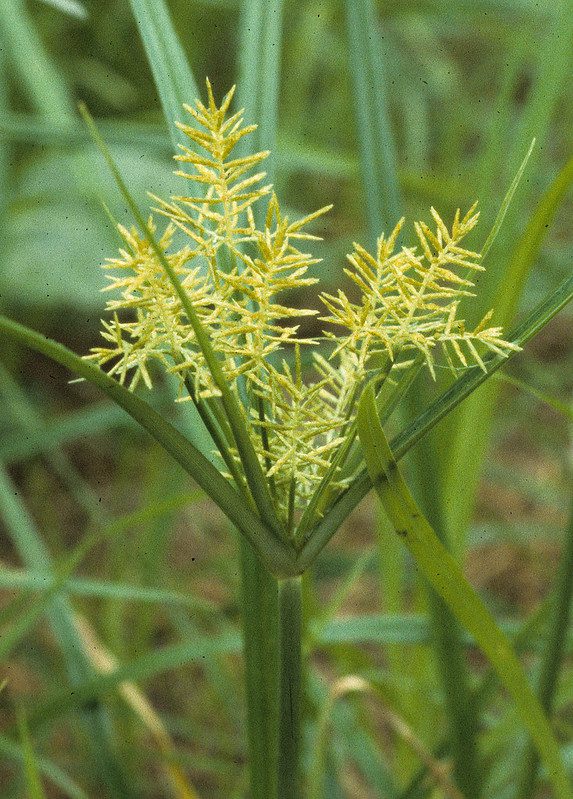
For over 4,000 years, a humble tuber sustained empires, healed ailments, and fueled explorers—only to be dismissed today as a common weed. Chufa (Cyperus esculentus), also called tigernut or earth almond, carries a legacy far grander than its weedy reputation suggests. This resilient plant offers not just a lesson in agricultural amnesia, but a practical solution for modern food resilience.
A Global Historical Journey
Ancient Egypt (c. 3000 BCE):
– Tutankhamun’s tomb contained chufa tubers, emphasizing its value in the afterlife.
– Used medicinally for digestive issues, energy, and as a diuretic. Papyrus texts describe chufa pastes for wound healing.
Iberia & West Africa (Medieval Era):
– Arabs introduced chufa to Spain (chufa de Valencia), where it became the base for horchata—a prized milky drink.
– In West Africa (Nigeria, Ghana), it was known as aki awusa or “ofio,” eaten raw, roasted, or as flour in dishes like kunnu.
Pre-Columbian Americas:
– Indigenous tribes (e.g., Havasupai, Hopi) cultivated chufa for its sweet, nutty tubers. Spanish records note its use as travel food by Native Americans.
Traditional Medicine Across Cultures:
– Ayurveda: Used for cooling properties and digestive health.
– European herbalism: Prescribed for toothaches, bronchitis, and as an aphrodisiac.
– Chinese medicine: Documented in Compendium of Materia Medica (1596) for regulating qi.
Why Was It Forgotten?
Chufa’s decline began with colonial agriculture. As monocropping spread, this perennial “sedge” invaded fields- especially cotton and corn-earning it the label “weed.” Its vigorous rhizomes (underground stems) allowed it to outcompete crops, leading to aggressive eradication. Yet this same resilience makes it a survivalist’s ally.
Growing Chufa for Emergencies: A Practical Guide
Climate & Soil:
– Thrives in zones 8–11 but grows as an annual in colder regions.
– Prefers sandy, well-drained soil (pH 5.0–7.5) and full sun. Tolerates drought and poor soil.
Planting (Spring to early summer):
1. Tubers: Source untreated tubers (not store-bought for eating). Soak in water 24–48 hours.
2. Spacing: Plant 2–3 tubers 3 inches deep, 12 inches apart in rows 24 inches apart.
3. Containers: Use 5-gallon buckets with drainage holes if space is limited.
Care:
– Water: Minimal once established. Overwatering causes rot.
– Weeding: Only needed early on; chufa soon dominates.
– Pests: Rarely affected-natural compounds repel insects.
Harvest (After 120–150 days):
– Signs: Tops yellow and die back in late fall.
– Digging: Use a garden fork to loosen soil. Sift tubers from dirt (wear gloves-tubers are small).
– Yield: One plant produces 50–200 marble-sized tubers.
Processing & Storage:
1. Wash: Scrub off soil in a colander.
2. Dry: Spread in a single layer in shade for 2–3 days until wrinkled.
3. Store: Keep in breathable bags (burlap) in a cool, dark place. Lasts 1–2 years.
Emergency Uses:
– Flour: Grind dried tubers for gluten-free baking.
– Milk: Soak 1 cup tubers in 3 cups water overnight, then blend and strain for horchata.
– Calorie boost: 100g provides 500+ calories, with high fiber, iron, and potassium.
Why Chufa Matters Today
In an era of climate uncertainty, chufa’s minimal water needs, pest resistance, and nutritional density make it a critical resilience crop. It rebuilds degraded soils through rhizome networks and requires zero fertilizers. For gardeners, preppers, or anyone seeking food autonomy, this ancient “weed” offers a lifeline-proof that humanity’s oldest allies may still hold keys to our future.
“Civilizations rise and fall, but the tubers in the earth remember.” – Adapted from West African proverb